


In 2024, I will be celebrating 50 years as a psychologist. During that time, I have witnessed numerous changes in the field of psychology. Even the basic definition of psychology has changed drastically.
Here are some of the key developments I have experienced as a psychologist:
From 1965 through 1968, when I was a student at the University of Michigan, the dominant theory and practice perspective for psychotherapy was Freudian, psychodynamic therapy. As an undergrad, I learned from my professors that there was little evidence that the psychodynamic approach was effective As an alternative to the psychodynamic approach, two new approaches were developed
-
One was behavioral therapy, originally based on the theories of B.F. Skinner, who was a professor at Harvard.
-
The second new approach was cognitive behavioral therapy. As first developed by two practitioners, Albert Ellis and Aaron Beck, this approach, based on changing the way we think about our thinking, has now become the dominant therapeutic modality.
When I graduated from Michigan, I went to New York City to teach elementary school. By coincidence, B.F. Skinner came to my school in Harlem to demonstrate one of the first teaching machines (many of the basics of the teaching machine were used in the development of computers and artificial intelligence).
I was able to study and participate in a therapy group with Albert Ellis, whose approach to therapy was called Rational Emotive Therapy. Ellis was a character who did live therapy on Friday nights at his center. It was very entertaining, sort of in a Jerry Springer way. It was one of the most informative experiences of my education. I was able to see a pioneering professional psychologist demonstrate his method every Friday night and all of this is followed by coffee and cookies.
I also participated in group therapy with Ellis every Saturday morning. That experience was life-changing for me. It emboldened me to make two of the most important decisions of my life. One was to ask my girlfriend, Pat Carino, to get married (amazingly, she accepted my proposal). The second decision was to apply to graduate school at Harvard (amazingly, they accepted me as well). All of this was accomplished under the danger of possibly being drafted into the army during the Vietnam War. The therapy with Ellis enable me to manage the fear and to proceed with my life, anyway.
As a new, relatively underprepared teacher, I was able to draw upon my learning about behavior modification at Michigan by applying those principles.
In my spare time, I worked and traveled with an all African-American theater group, made up primarily of teenagers from Harlem. As the only white member of the theater troupe, I was able to learn firsthand about the lives of the young members who grew up in New York City. My time in Harlem influenced me to not only want to pursue an advanced degree in psychology but to find a way to bring advances in the field of psychology to minority groups.
My experiences with the Al Fann Theatrical Ensemble of Harlem enabled me to learn other skills. I learned to act, I tried to learn to sing but I failed miserably at my attempts to dance.
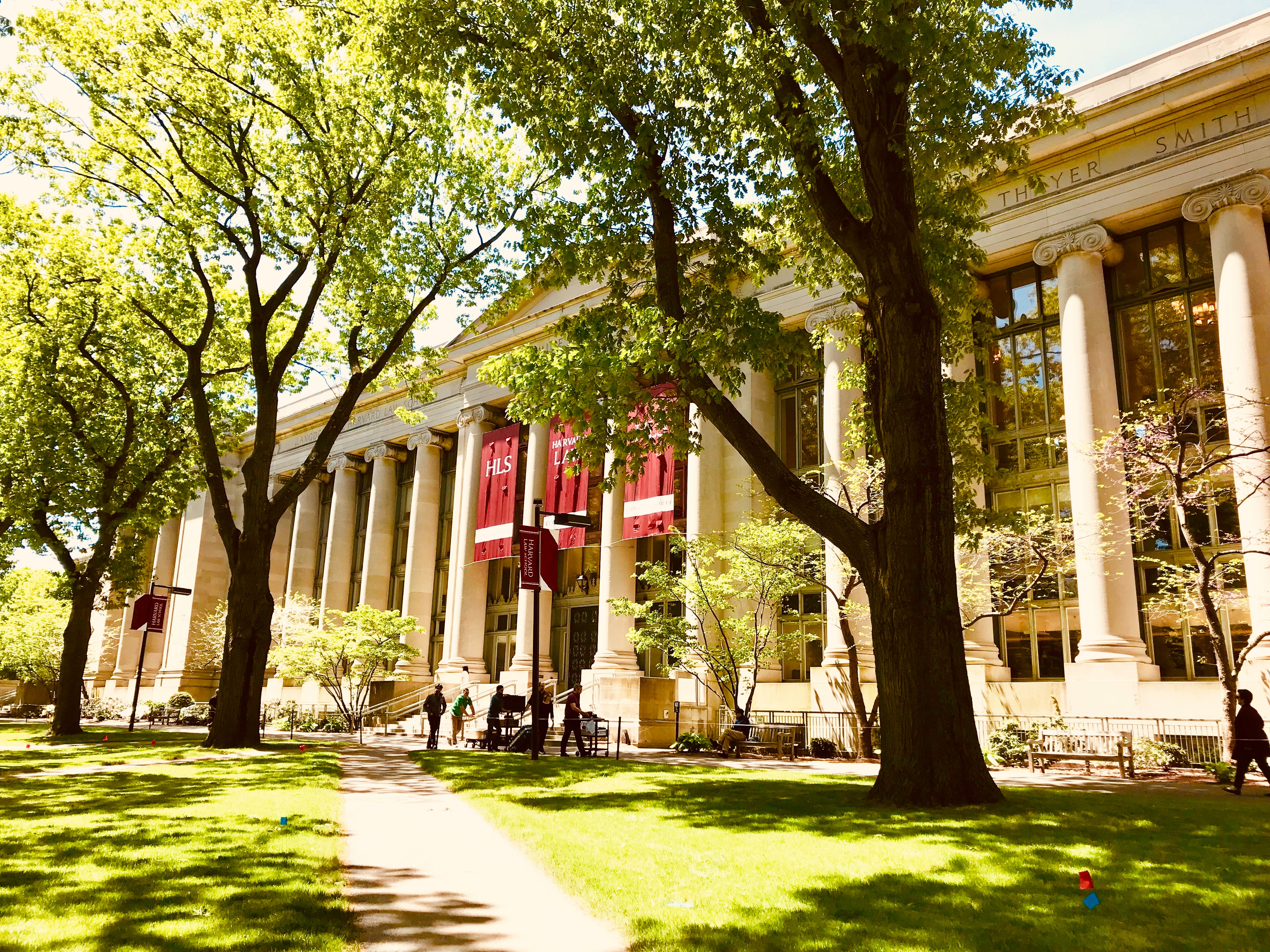
The Clinical Psychology and Public Practice Program at Harvard was a perfect fit for my multidisciplinary interests. The program was essentially designed to study and train change-agents. The program was a joint venture between the Arts and Sciences Graduate School, the Harvard Medical School, the Harvard School of Education, and the Harvard Divinity School, with inputs from the Harvard Business School and MIT. Imagine my excitement to be able to study with some of the most innovative professors in the nation.
The program, which was called CP3, sought to change how we think of psychology. I am proud to say we were exposed to some of the most revolutionary ideas of the 1960s and 1970s. many of these ideas have been adopted by society over the past 50 years. Among them:
-
The notion is that psychotherapy should be available for everyone, not just the well-to-do.
-
The notion that the knowledge gained from psychology could be applied to education, business, divinity, the way we now practice medicine
I was able to experience direct involvement in some of the most influential movements in my field including:
-
The development of applied behavior therapy
-
The development of the idea to train non-therapists to provide psychotherapy treatment.
-
Do use of applied behavioral analysis to treat children with behavioral difficulties
-
Behavior and cognitive therapy
-
New theories about how to change institutions and organizations
-
The use of medication to treat mental health disorders
-
The development of the concept of emotional intelligence
-
Deinstitutionalization: moving mentally disturbed, developmentally delayed, and autistic children from large institutions to community-based treatment facilities
-
The development of community psychology
-
Development of organizational psychology.
Not only were these concepts unique, but the way of teaching was very forward-thinking. I learned most everything through direct experience, rather than studying in the classroom.
-
I was a teaching fellow for Dr. David McClellan, a pioneer in the development of numerous ideas, including achievement-motivation, competency-based hiring practices, and emotional intelligence.
-
I worked for several summers at Camp, Freedom, a therapeutic and educational camp for children with behavioral problems children from ages 5 to 13 attended the camp for a month in the summer.
-
At the camp, my wife, Pat, also a student at the Harvard School of Education, directed a training and therapeutic program for the parents of the children. The parents visited the camp on weekends to learn ways to manage the children at home.
-
My dissertation was based on research conducted with the siblings of the children who were attending camp.
-
I worked with the Commissioner of Mental Health for the State of Massachusetts as he was implementing the use of medication with adults suffering from mental disorders.
-
I did research and wrote a report about the community mental health needs of Chelsea, Massachusetts, a poor, working-class town near Boston.
-
Going into Catholic schools to teach nuns about the principles of behavior modification as a way to teach and discipline students.
As I write about my educational experiences. I am flabbergasted to learn how excellent my education was. I am so grateful to have had this outstanding educational experience. I realize that while many of the programs of the late 60s and early 70s have proven to be successful, others have not feared so well
-
While deinstitutionalization of the severely mentally impaired was a good idea, the impact has been devastating to the mentally ill in the communities where they live. Because the money to treat these people in the community never materialized, many of the people who were deinstitutionalized were left with few resources and virtually no training on how to live in the community. This movement has had unexpected consequences: many of these people ended up, homeless and living on the streets.
-
For a long time, family therapy boomed, often replacing individual therapy. The idea that we must treat the system, not just the individual, proved to be valid. However, with the hectic lives of families, it became difficult to have the whole family come together at one time for therapy. Additionally, the insurance companies would not pay for family or marital therapy
Unfortunately, the life of Harvard’s Clinical Psychology in Public Practice Program was short-lived. The powers that be decided that the program was too radical. Its aim, to use psychology for the purpose of social change, was deemed beyond the scope and purpose of the university. A grand experiment was over within only five years.
NEXT STEPS.
In the first part of this post, I have covered my education. Next, I will describe my own practice of psychology and reflect on how the field has changed over the past 50 years since my graduation from Harvard.