


In my view learning to meditate is about learning to relax your mind and body.
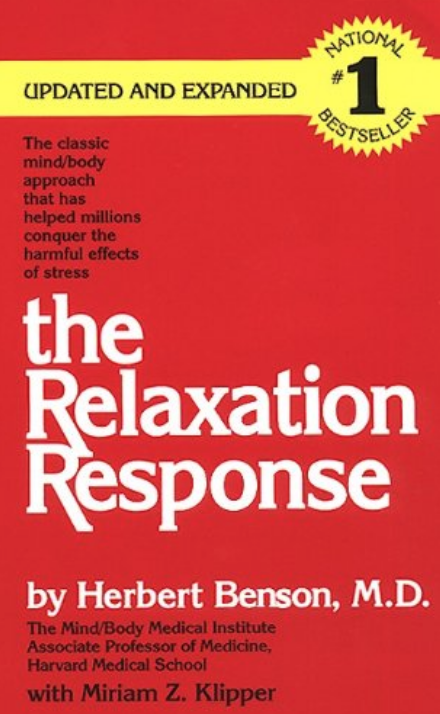
I first started to meditate about 50 years ago. At that time, I was a graduate student feeling anxious and overwhelmed. At Harvard, I learned about one of my professors, Dr. Herbert Benson, who wrote a book called The Relaxation Response. Dr. Benson studied many forms of meditation with the intent of developing a method that would be easy for people to learn, as a way to relax and reduce anxiety. 50 years later, I still regularly use the method. Actually, it is quite simple. I have taught it to hundreds of my clients over the years.
Here it is:
-
Find a place. It should be a quiet place where you can sit comfortably, but not so comfortable that it is a place you will fall asleep. A hardback chair is best.
-
Plan to do it before you eat. If you try to do the response after eating, you’re likely to fall asleep, and also it will not be as effective because your body is busy digesting food.
-
Sit with your feet on the ground and your hands in your lap.
-
Select a simple word that you can say to yourself on each out breath. My word is “one”. Other possible words are God, amen, home, and om. You can choose your own but it needs to be simple and have some positive meaning. (this is similar to a mantra in transcendental meditation)
-
Breathe in and out slowly and say your word on each breath either to yourself or slightly out loud.
-
Set a time that you will devote to the practice. I suggest starting with 5 minutes and working up to 20. It’s okay to set a timer to know when you are through.
-
Everyone who does this expects to lose concentration on the word periodically. This is expected and of course, it’s okay. What to do when you find yourself distracted, is just bring yourself back to the word. Don’t beat yourself up over it. Think of the distraction as merely a signal to return to the practice
-
One of the hardest things to learn is to not act on a distraction while you are in the practice of meditating. That means don’t get up to do the thing you’re thinking about unless it’s an emergency. If it’s an important thought, you will be able to capture it after you are finished.
-
At first, it may be essential to set a regular time to do the meditation practice, but this is not necessary. At first, when I was trying this, I did it first thing in the morning. But then we had children and the first thing in the morning was changing a diaper, not relaxing. Especially since our children woke up at about 6 AM.
Now with 50 years of practice, I use meditation practice whenever I feel stressed, rushed, or just have some free time. It’s much better than scouring the Internet, ordering something on Amazon, or eating some junk food. This week, I remember meditating as I was waiting for a doctor’s appointment. It helped me to relax and not worry about the appointment. I also have been near a lake for a few days and have meditated daily as I was on the swing overlooking the lake.
I encourage you to try this out. I also am open to talking to you if you’re having trouble learning the technique.
A nice feature of this practice is that there is no right way. It is a practice. If you work on it, you will never perfect it. That’s why they call it a practice.
As a psychologist, I also am engaged in practicing psychology. Like meditation, I never will get it perfectly right, but it is fun always trying to be a little bit better.
Over the years I have invented other ways of meditating. In the coming weeks, I will share techniques including imagining you are spinning in the universe; memorizing spiritual passages; imagining you are in the big bang/expanding universe; touring the largest to the smallest parts of our bodies. For those creative types, I will provide you with a guide on how to create your own meditation practice.
Now take five minutes away from reading your computer, and practice meditation for five minutes.