


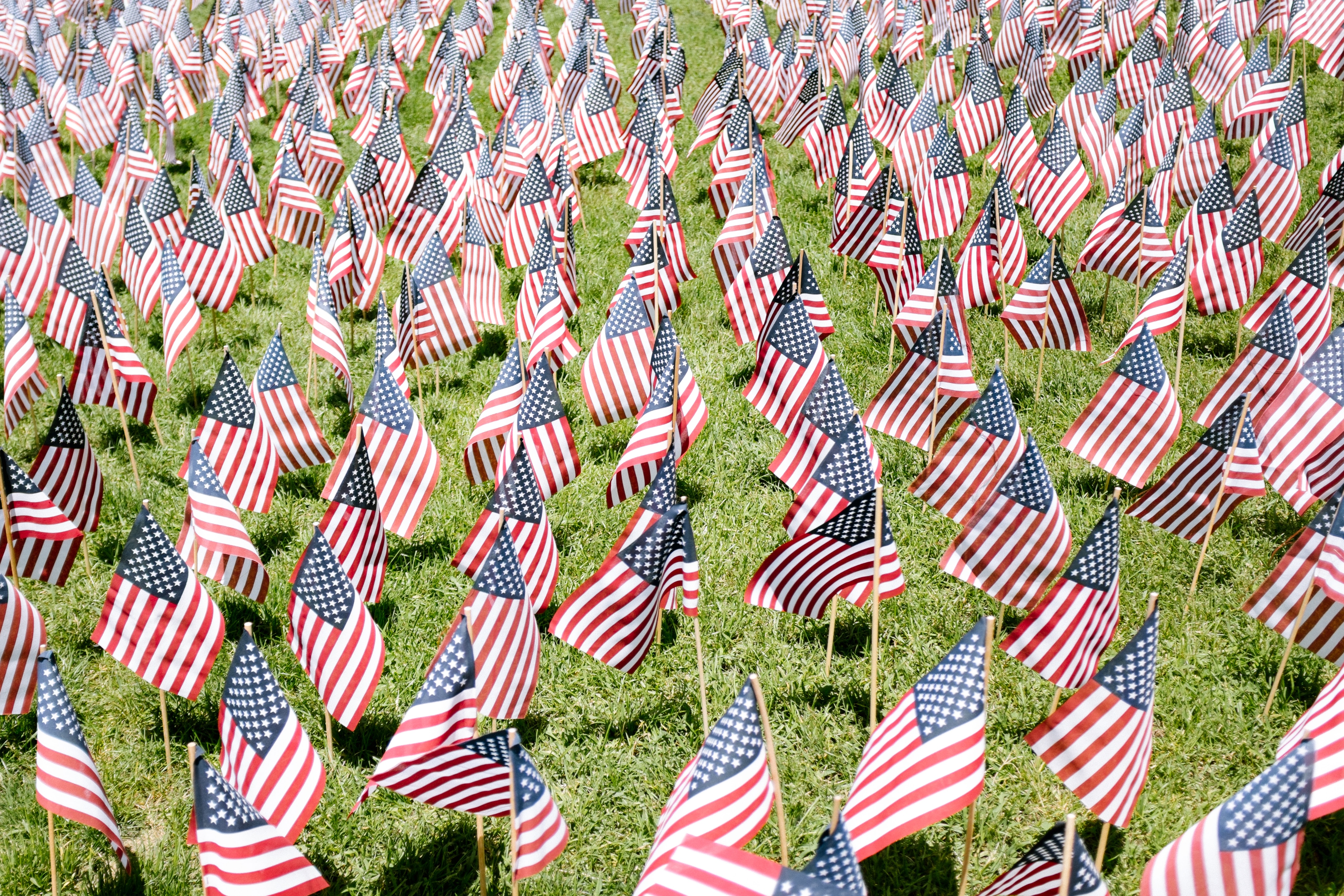
November 11 was Veterans Day. It was approximately 50 years since the end of the Vietnam War. Many of the armed forces who participated in the war are still suffering the consequences. Some have physical disabilities and pain. Others have mental disabilities and pain. Many have both.
In honor of the veterans, I want to present the story of my good friend Nick, who was drafted into the army in 1968. The story was written by Betty-Ann Gillalind, who interviewed Nick a few years ago.
My interviewee was a veteran of the Vietnam War. This conflict presented more complex problems than had previously been experienced by returning soldiers and, as a result, often their “journey” did not end when their boots hit home soil. Unlike earlier wars, this combat did not end in victory and there were no homecoming parades to welcome back the soldiers. In some cases it was quite the opposite, and many veterans felt either shunned or blamed for the failure of America’s overseas ambition while others believed that their service to their country was held in contempt. After the stress they had endured of guerilla warfare in which it was difficult to distinguish friend from foe and where they were constantly on alert, returning soldiers bought home a different set of psychiatric problems. These were compounded by the indifferent response they received, which made many veterans reluctant to talk about their experiences. As a result, Vietnam vets had higher psychiatric disorders, alcoholism and suicide rates than others of that generation. For some, the war never ended, and for others it took a good many years before they were able to put to use the knowledge they had earned often at great personal cost. My interviewee, Nick, was one of those who finally realized his boon. The following is based on a conversation that took place when I talked to him at his home in Royal Oak on March 2011. I had not met Nick previously (he had gone to high school with the husband of one of my friends) but he was very generous with his responses and his time. Nick preferred not to have the conversation recorded for the Library of Congress Veteran History Project.
Departure:
Nick told me that he received his draft notice in 1969 when he was about 22. He knew it was coming, and since his Dad and uncle had been World War II veterans and his cousin was already in Vietnam, he didn’t seriously think about not going. There wasn’t much choice unless you wanted to go to jail. Besides, as he said, not everyone was shipped to Vietnam.
By this time he had graduated from Cleary College in Ann Arbor and was making decent money working as an accountant for a hubcap industry in Ypsilanti. After being inducted into the army in downtown Detroit he was sent for a 9-week basic training course in Fort Knox, Kentucky. The Army then assigned him to the Infantry, which are the ground troops or “grunts” that suffered the bulk of the casualties during the Vietnam War. Nick received 9 more weeks of Advanced Infantry Training at Fort McClellan, Alabama in which he became more proficient with weapons, such as the M16s, M60s and grenade launchers that they would use during combat. They also did a lot of night training. Nick said he didn’t exactly enjoy it, because he knew he was in for some risky business. By this time his company had been informed that they were all headed for Vietnam. He said the instructors didn’t try and hide what they would be facing. One of the final exercises was an “Escape and Evasion” practice in which small group of trainees would be dropped at an unknown site at 6pm with a map and lighted compass with twelve hours to make their way to a designated location. They were warned that there were “aggressors” trying to intercept them and if they were caught they would be made prisoners of war and then “heaven help them.” Although Nick was not captured, those that were, were stripped and hung from their wrists, or beaten with bamboo, or buried alive in coffins. He said although it seemed cruel at the time (later there was a Congressional Investigation into the practice) he realized that the Army was trying to toughen the infantrymen up for what lay ahead.
Before he left for his tour of duty Nick said he drove around to all his old haunts thinking that there was probably a good chance he wouldn’t return, or at least not with all his limbs intact. At this time he knew some guys from his old neighborhood in Ferndale who had been killed in Vietnam or who had lost the use of their legs. “You knew that it might not have a happy ending.” Civilians were already looking at his shorn head with disdain and anti-war sentiment was building. By 1970, the year Nick went to Vietnam, Nixon had already started to withdraw troops.
Adventure:
Nick was thrown into action as soon as he arrived in Vietnam from Oakland, California. Even before he left the base camp for field duty he said that as a last training ruse one of the instructors had set off cylinders containing nerve gas and told the rookies to run for the transport trucks. Nick said he threw up about 11 times before he made onto the trucks. The instructors wanted to give the grunts a taste of what was to come.
Nick was assigned to the 4th Infantry Division and was flown into Pleiku in the central highland region of Vietnam (then in the South). The first months were probably the worst for the infantrymen. The newcomers were known as the FNGs, the Fucking New Guys, and were considered a liability until they had been tested in the field. Nobody knew how they would react, whether they would freeze or blow themselves up. Nick said he spent almost all his 11 month tour in the field moving, sometimes by helicopter, more often on foot, at times marching morning to night with a 90lb backpack full of supplies and carrying extra water and machine-gun ammo for the squad’s M-60. They hacked through jungles, trekked up mountainsides, tormented by the incessant mosquitoes and constantly on the lookout for booby traps, leeches and jungle rot. They learned to sleep in pouring rain, to eat cold tinned food standing up while trying to keep your insides hydrated and outsides dry. Nick said he’d never been as hot or as cold as he was in Vietnam. He remembers his first night in the field, trying to sleep after they had marched for ten hours. He was lying in the rain and wind with his body shaking and his teeth clattering and he thought to himself, “How on earth can I get through this?” and then he thought: “If I’m not going to make this tour, if I’m going to die…then let it be now.” And he knew there were others with the same feeling.
Nick said they didn’t talk about death much. They all knew it could happen at any time. They had seen it. Nick knew that if he had to die, he wanted it to be fast, like a “bullet in the temple”. He didn’t want to come home a vegetable. He knew that IED’s had caused some infantrymen to be paralyzed. As it turned out Nick was wounded when he stepped on a booby trap…a punji stick, which is a piece of sharpened bamboo buried in the ground and often soaked in human or animal feces in order to cause infection, which in his case it did. Nick said his leg became red as a ripe tomato and swollen with pus and so he was flown to the USAF hospital in Cam Ranh Bay. He stayed there for ten days sleeping on a real mattress while they dosed him with heavy-duty antibiotics. He then was returned to the field and the next morning he woke up to find his leg covered with leeches. (He used salt and mosquito repellent to get rid of them). Nick remarked that the base camp was like a resort with air conditioning, color TVs, guys playing basketball in their shorts, and he wondered to himself, “Wow, how do I get stationed here?”
Nick commented that there seemed to be two types of soldiers: people like him, who were stationed in the infantry and serving out in the field, and the other guys who got to stay behind the lines in the base camps and lead relatively civilized lives. He said the grunts lived in the jungle 24 hours a day and became like animals, not in a derogatory way, he said, but in order to adjust to life in the wild. He said they ate and slept and did all their body functions in the jungle. Not everyone could function in that environment. Some of the guys couldn’t take it and should have been sent back. They froze when others depended on them. Nick said it always perplexed him because he thought the guys that fought over there, including himself, should be considered heroes, and yet when they came back they soon learned not to talk about it, not to tell people they had been over there, if they wanted to fit back in.
The Return:
Nick said just before he was due to come back, his squad got ambushed. Three days later he was standing alone in Detroit Metro airport with a $100 bonus in his pocket. Nick said, “I was a mess.” But he put on a front and buried everything inside. There was no debriefing, little help for his wounds, both physical and emotional. At that time there was no attempt to help the solder move from a hostile world, where you could see someone’s head blown off, into the predictable respectability of middle-class America. According to Nick, society didn’t want you back, because they were leery of you. Companies didn’t want to hire you because of the bad press. There were a lot of bad images about the war on TV. Most of his friends hadn’t been sent to Vietnam so it was tough when he returned. He moved back with his parents and then became part of a heating and plumbing company with his Dad and younger brother.
Nick told me that he had some drinking and drug problems after he got back. He felt very alone and alienated. He was involved in fights and had some run-ins with the law. He carried a pistol, because it made him feel secure. When he was in Vietnam he didn’t do alcohol (too heavy out in the field) or drugs because he wanted to stay alert and increase his chance of returning home alive. He said he had the feeling that he had been the enemy over there, and now he was considered the enemy back home. The Vietnam War had been the first TV war so people at home had seen the images of the My Lai massacre and the B 50 bombers dropping napalm on women and children. Nick said, “I love my country. I was proud to go over there and fight…I believe that the higher ups thought they were doing the right thing, you know, because of the Domino Theory…If one country fell to the communists then the whole of South East Asia would follow…We were proud, we didn’t think about going to Canada.”
Nick said he was lucky because he got some breaks after he returned. He had a good support system to help deal with his troubles: a wonderful wife (they’ve now been married thirty-five years) and his parents, and he met some professionals along the way that were able to help him with counseling and medication. After his family business closed he went back to school in his 50’s and got training as a paralegal assistant. He worked for the US Department of Labor as an Investigator. He also got help with his leg, which was becoming increasingly more painful because of residual nerve damage. He recently retired with VA Disability Compensation. Nick spends many hours as a volunteer with various associations that help support those who also served the country, like the Purple Heart and the Disabled American Veterans.
Nick realizes that there were many vets that returned from Vietnam that didn’t have the support he did. He said that over there you were put in unimaginable circumstances and you relive a lot of it in your mind. Without proper support a lot of Vietnam vets ended up in jail and consequently there are chapters in the prisons. He said so much has changed in how we treat the returning soldier, in part because of what we learned from Vietnam. Back then we didn’t have a system, we didn’t even recognize PTSD, we didn’t travel over and back as a unit, we had no debriefing. “Look, you’re gonna need help when you get back. Just look at the statistics for early deaths (of the Vietnam vets, whether) by suicide or the effects of Agent Orange.”
After Effects:
Nick is the first person to tell you that he didn’t make a smooth transition on his return from Vietnam and that he didn’t emerge unscathed from his war experiences. He did not reconnect with the VA until approximately ten years ago. He said that his (second) wife was very compassionate and understanding and that she stayed with him, while many women may have moved on when he was learning how to deal with his PTSD. He told me he still thinks about Vietnam everyday, which he is not sure is healthy. He has read a lot about the French colonization of Indochina and studied the military campaigns that were fought there but he has no desire to go back.
The Special Bond:
After the American involvement in Iraq and Afghanistan Nick wanted to make things better for the next generation of veterans. “War creates a special bond”, he said, and he knew the fact that he and his fellow vets had been ignored, or even scorned when they first returned home, had added enormously to their problems. Nick is continuing to educate himself so he can make life better for his fellow vets while using the lessons he learned from his own personal experience. And he still says he would encourage any young person that wanted to enter the military to be proud to serve but to seek treatment if they are having problems.
Conclusion:
Nick and his wife live in a modest home in a pleasant neighborhood not far from where he grew up. He is a big guy, but gentle and reflective and it is hard to imagine that he could be a troublemaker. He and his wife are both retired and enjoy road trips to see the country and to visit their grandchildren. There is little doubt that he is still haunted by the past but it is also obvious that he has learned how to use his experiences to show others the way back to a meaningful life, as his is now. My wife’s brothers served in Vietnam. Out of my 3 first cousins, 2 served as grunts like me in Vietnam.
Rob’s Postscript About Nick:
Today, Nick and I remain close friends. Unfortunately, we are not able to meet each other in person very often. Nick is suffering from several problems which occurred as a result of his service. I, too, have a problem which has forced me to give up driving. As an alternative, for the past two years, we have been texting each other several times a week. A third friend of ours, John, who lives in California has also contributed to the texts.
While I have always known that Nick is very intelligent, his contribution to the text chain has demonstrated to John and I Nick’s brilliance. Furthermore, he is extremely well-read. He outpaces us in his knowledge about almost everything that we discuss, including history, current events, philosophy, and literature.
For the last several years, Nick and his wife have worked tirelessly to provide services for the veterans in the area. They spend most of their time doing everything they can to be sure that the veterans receive the benefits they deserve They also have been instrumental in establishing a veteran’s memorial in Royal Oak, MI. My wife and I have placed a memorial brick in honor of my father who served in Iran during World War II.
In closing, I’d like to share with you a letter that Nick wrote to me in 1976:
Dear Rob,
Just wanted to drop you a short note and thank you for dinner and the tickets to the basketball game. Michigan started out poorly but took it to them in the second half.
I just finished reading a letter you wrote me in July of 1969, when you were living at 316 West 93rd in New York. You mentioned how good it was to see me and Jeff (another high school friend), right before I left for Vietnam.
Somehow we all went different directions and stopped being friends. I didn’t see Jeff for several years after that. Finally, after coming back from Nam, I cornered him and asked him what the hell happened? He told me he felt bad for everything I went through. I proceeded to tell him that was bullshit, that we would always be friends and share many, many memories together. He has since told me that he wishes he had some good friends in D.C., but you can’t make friends like the people you grew up with.
When I saw you at the top of the stairs with your dog the other night, I truly wanted to go up and give you a big hug. As we get older, I think we become more guarded and don’t want to show our true emotions, and we certainly don’t want to appear weak or vulnerable.
In your new book please mention the importance of being open and sharing. The only true bridge to real friendship is being vulnerable; then and only then do you start to build lasting friendships.
It seems like yesterday you and your wife were going to be famous actors, and instead, you’re both psychologists. But Jeff hasn’t really changed that much, and you haven’t either. Even though we may have problems from time to time, and even change directions, you can’t take away our friendship and memories. We will always be old-school buddies. Remember that you will always have a friend here.